Reading Transmissions 
for the Vajrayana Online Community

Receive the blessings of the lineage and deepen your connection to traditional Buddhist texts

November 21, 2026

Saturday

10–11:30 AM

EST (New York)

Requirements

This event is open to all Vajrayana Online members.

Recordings

The reading transmission can only be received live, so no recording will be made.
Transmission holds special importance in Vajrayana Buddhism and in Mingyur Rinpoche’s meditative tradition, as it ensures that teachings are passed down from teacher to student in an unbroken lineage, preserving their authenticity. A reading transmission (Tib. lung), in particular, allows us to read and study a text having received the blessings of the lineage so that we might come to understand its most profound meaning.
In keeping with the tradition of students requesting transmissions from their teachers, the Vajrayana Online team will begin offering reading transmissions in a more regular and collaborative way, based on requests coming directly from the community. We’ve opened a space in the forum where you can suggest texts you’d like to receive transmission for, or upvote those already posted by others. You can participate at any time. The texts receiving the most interest may be offered in future transmissions.

UPCOMING EVENT

Padmasambhava’s Natural Liberation: A Reading Transmission for the Vajrayana Online Community

Saturday, November 21

10 AM EST (New York), 4 PM CET (Berlin), 11 PM HKT (Hong Kong) — check in your local time

It is with great joy that we announce the reading transmission (lung) by Lama Trinley of Padmasambhava’s The Profound Dharma of the Natural Liberation through Contemplating the Peaceful and Wrathful: Stage of Completion Instructions on the Six Bardos (Zab chos zhi khro dgongs pa rang grol gyi rdzogs rim bar do drug gi khrid yig, in Tibetan). This terma was dictated by Padmasambhava to Yeshe Tsogyal and later revealed by Karma Lingpa in a cave on Gampo Dar Mountain in central Tibet. It’s considered a companion volume to the well-known Bardo Thödol, for both are included within the same cycle of treasures discovered by Karma Lingpa.

Please note that the reading transmission can only be received live, so no recording will be made. We hope to see you there!

This treasure text was made available to a broader public in the West when, during the early months of 1995, the Venerable Gyatrul Rinpoche, a senior lama of the Payul lineage of the Nyingma order, taught it openly to a group comprising both Buddhists and non-Buddhists at the Orgyen Dorje Den Buddhist center in San Francisco, California . . . When Gyatrul Rinpoche taught this text in 1995, he invited all those with faith in these teachings—whether or not they had tantric initiation or were even Buddhist—to listen to them and to put them into practice. Among the assembled students were several who were suffering from critical illnesses, including AIDS, which made the teachings on the dying process all the more poignant to those listening. He also invites all those who read this book with faith to engage in the practices described here for the benefit of themselves and all sentient beings.

— Alan Wallace (from the Translator’s Preface)

If you are not a Vajrayana Online member, please join the community to participate.

Already a member? Log in!

This event is included with your Vajrayana Online membership. No registration is required. The Zoom link is available below and also on our live sessions page.

MEET YOUR TEACHER

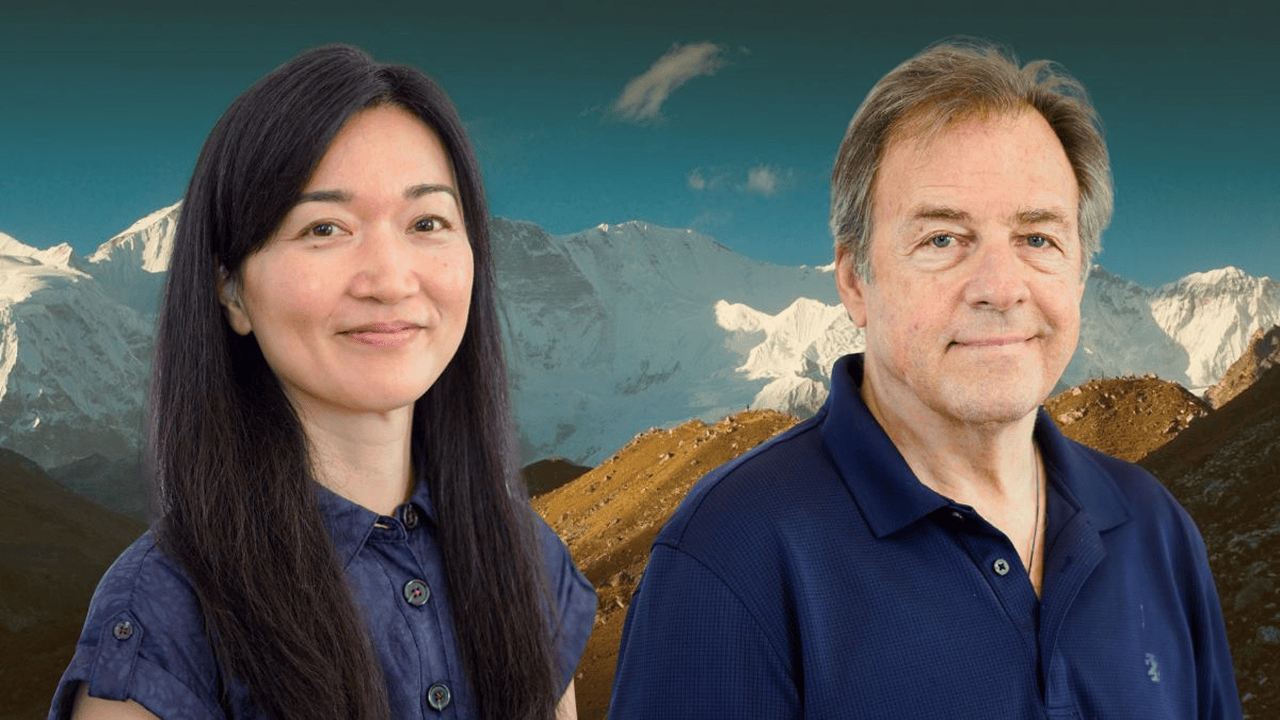
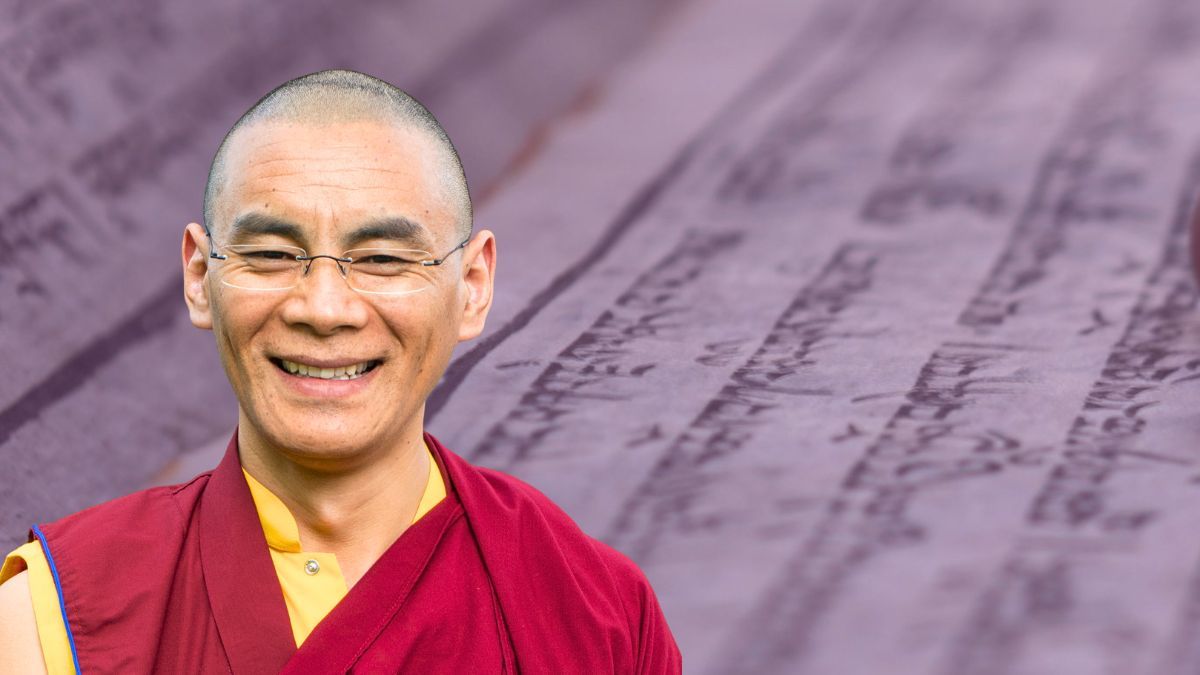
Lama Trinley

Lama Trinley has been the resident teacher at the Tergar Mingjue Phoenix Center since November, 2007. Lama Trinley began his education at Tergar Monastery, where he studied the rituals, prayers, and other traditional practices of the Tibetan Buddhist tradition. He entered the traditional three-year retreat when he was seventeen years old, after which he spent six years training in the monastic college of Tergar Monastery, where he taught for three years as assistant professor. His command of English and his humble and gentle demeanor make him easily accessible to newcomers and experienced meditators alike.
The words leave a positive imprint on the mind and that brings you to enlightenment. That brings realizations; that brings you to enlightenment. The lung doesn’t take much time, but the positive imprint left on the mind brings you to enlightenment. Then, you can do perfect work for sentient beings and are able to bring them to enlightenment. You have to know that. That is the basic thing; that is the main thing.

— Lama Zopa Rinpoche

Following the empowerment comes a reading transmission, lung in Tibetan. This tradition originally was passed on from India, though it too originated in the sambhogakaya buddha realms. There are no books in the buddha realms, only natural sound which resounds spontaneously. However, upon hearing that sound you are then the bearer of its meaning. Back in ancient India and Tibet they had no printing shops or the like, so texts had to be copied out by hand, usually by one’s older vajra brother. The guru would then read it to the disciple before giving the text to him. So before you could read the book you received its contents both aurally and physically. Things weren’t freely available in those days, so you couldn’t just think, “Hey I’d like a copy of the highest Dzogchen tantras” and then casually download a copy from the internet as you can today. In fact, traditionally you weren’t even allowed to look at such a text unless you had first received a reading transmission.

— Erik Pema Kunsang

×